

Most career advice tells you to find a sponsor once you’re in the workforce. Build your network, prove yourself, and eventually someone senior will start advocating for you. It sounds reasonable. For a lot of women, waiting until your first day on the job is already too late.
Sponsorship Is Not the Same as Mentorship
A mentor gives you advice. A sponsor uses their own credibility to open doors for you, puts your name forward for a stretch assignment, vouches for you in a room you’re not in, pushes for your promotion. It’s a different, more active kind of support, and it’s one of the strongest predictors of who actually moves up.
McKinsey and LeanIn.Org’s Women in the Workplace 2025 report, the largest ongoing study of corporate America, found that women are sponsored less than men at every career stage, and the gap is worst at entry level, where men are far more likely to have a sponsor than women just starting out. Even when women do have a sponsor, they’re promoted at a lower rate than men with sponsors.

Why the Timing Makes It Worse
Here’s the part that matters most: this gap shows up at the very first step up, from entry level to manager, a barrier researchers call the “broken rung.” The same report found that for every 100 men promoted to manager, only 93 women are promoted, and just 74 women of color. That first promotion is where the pipeline starts narrowing, and it keeps narrowing at every level after that. Women hold just 29 percent of C-suite roles today, a number that hasn’t moved in years.
A missed sponsor early on doesn’t cost you one promotion. It changes your entire trajectory, because fewer women reaching manager means a smaller pool moving to director, then VP, then the C-suite. The gap compounds. And by the time most women realize they need a sponsor, they’re already behind the people who had one from day one.
Women’s Colleges Close This Gap by Design
The pattern behind the sponsorship gap isn’t really about ability or effort. It’s about access, who’s in the room with the people who have influence, and who they naturally advocate for. In a mixed environment, even well-meaning mentors tend to invest their time and social capital unevenly, and the data shows who usually comes out ahead.
A women’s college removes that dynamic entirely. There’s no competing for advocacy in a room where the pattern already favors someone else. Every leadership role, every presentation, every research opportunity, every letter of recommendation goes to a woman. That’s not a small cultural detail. It’s the entire structure of the environment.
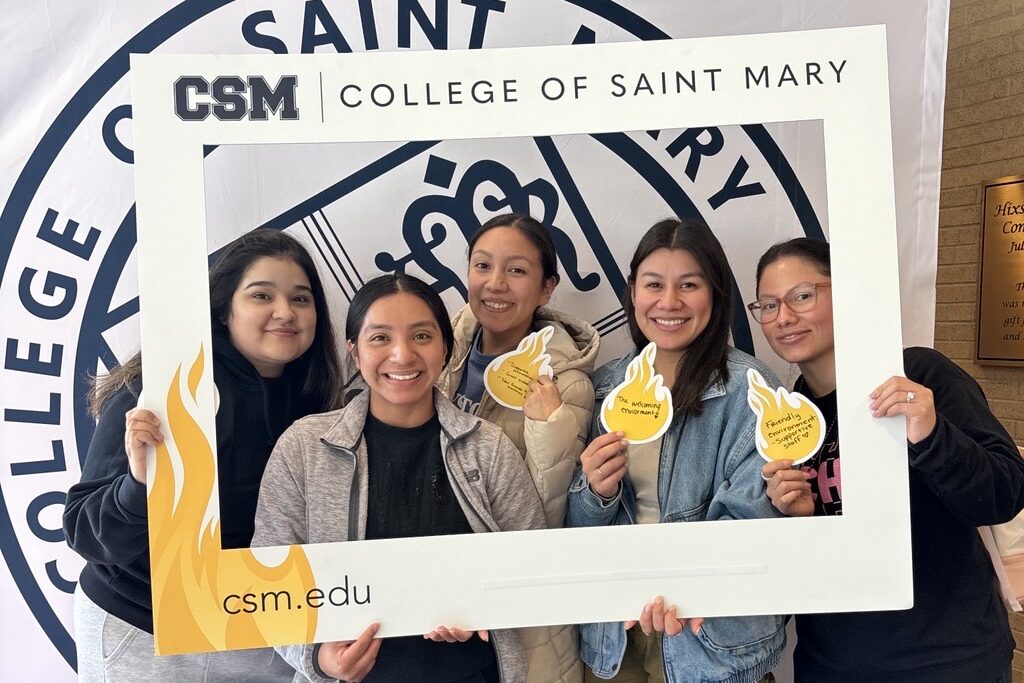
At CSM, that structure exists on purpose. Preparing women to lead isn’t just a value statement, it’s the reason the college exists. Students don’t have to fight to be seen as leadership material. They get to practice being the leader as the default, not the exception, years before they ever need to make that case in a workplace.
What That Actually Looks Like Day to Day
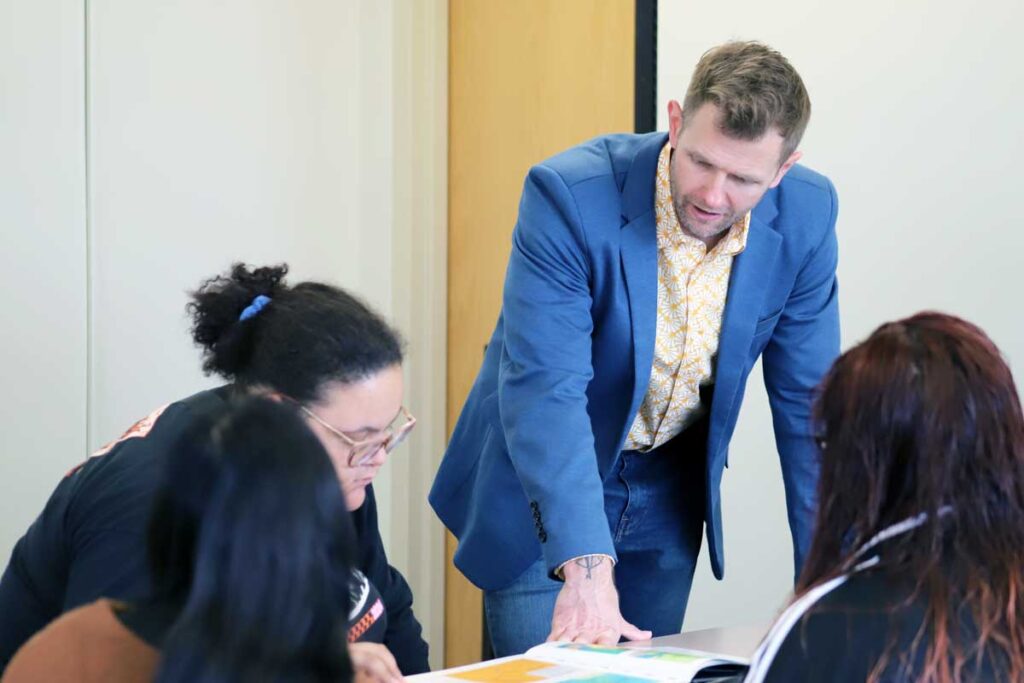
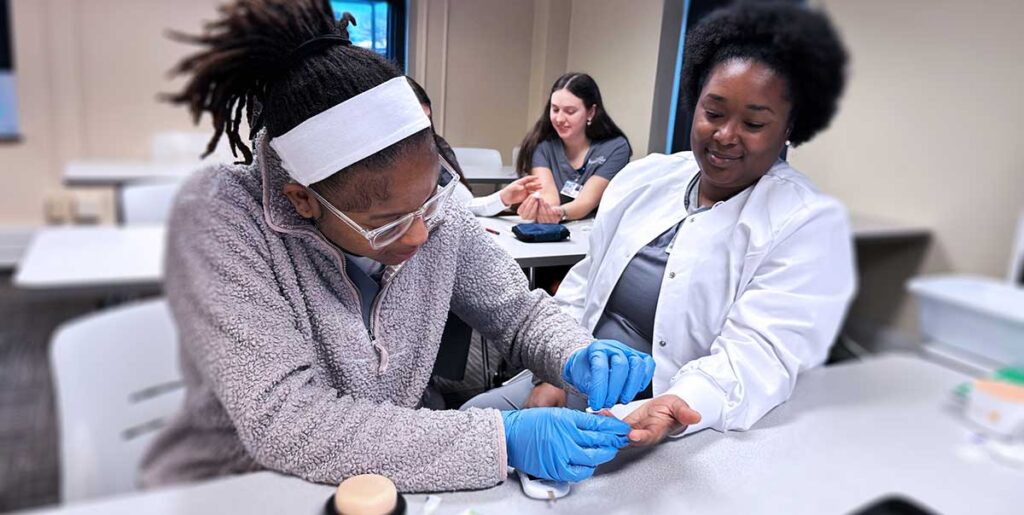
This isn’t abstract. Close-knit classes mean faculty know your name, your goals, and where you’re trying to go. Advising happens one-on-one, regularly, with people actually paying attention to your path. Internship placements come with real feedback. Letters of recommendation and introductions come from relationships students build every day.
That’s not just support. That’s sponsorship, practiced early and often in a woman’s academic career. By the time you’re navigating a workplace that may or may not offer the same thing, you’ll already know what real advocacy feels like, and you’ll know how to build it again.