
Bachelor of Science in Biology • Minor
Forensic Science
A Forensic Science degree prepares students to apply scientific principles to complex criminal investigations. Through coursework in biology, chemistry, and forensic analysis, students develop the skills to collect, analyze, and interpret evidence in real-world contexts.
Dig Deeper Into the program
Explore coursework, lab experiences, and forensic techniques that prepare you to analyze evidence, support investigations, and pursue careers in forensic science
Degrees Offered
- Bachelor of Science in Biology, with a concentration in Forensic Science
- Forensic Science Minor
Start Terms
- Fall or Spring
Program Format
- On-campus
- Select classes available online to provide added flexibility for students
Credit Hours & Timeline
- Total credits required: 120
- Typical completion time: 4 years
- Minor credits: 18
Prepare for a career at the intersection of science and criminal justice. The Forensic Science curriculum builds a strong foundation in biology while developing skills in evidence analysis and investigation.
- Preparation for careers in forensic labs or related fields
- Coursework in biology, chemistry and forensic science
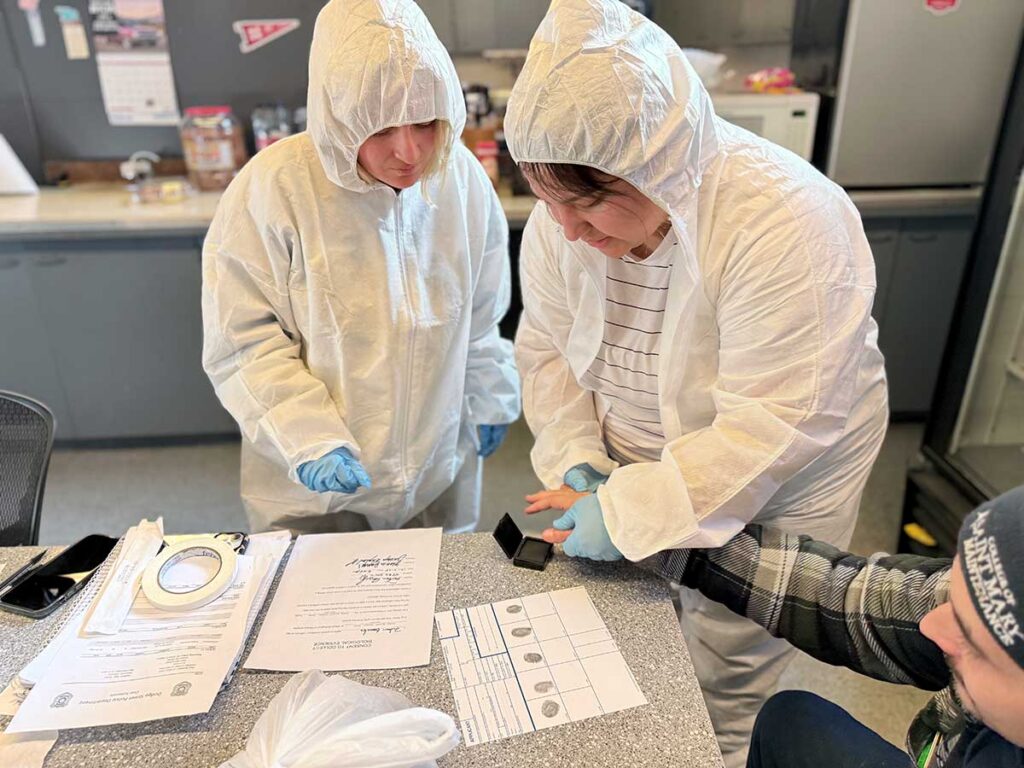
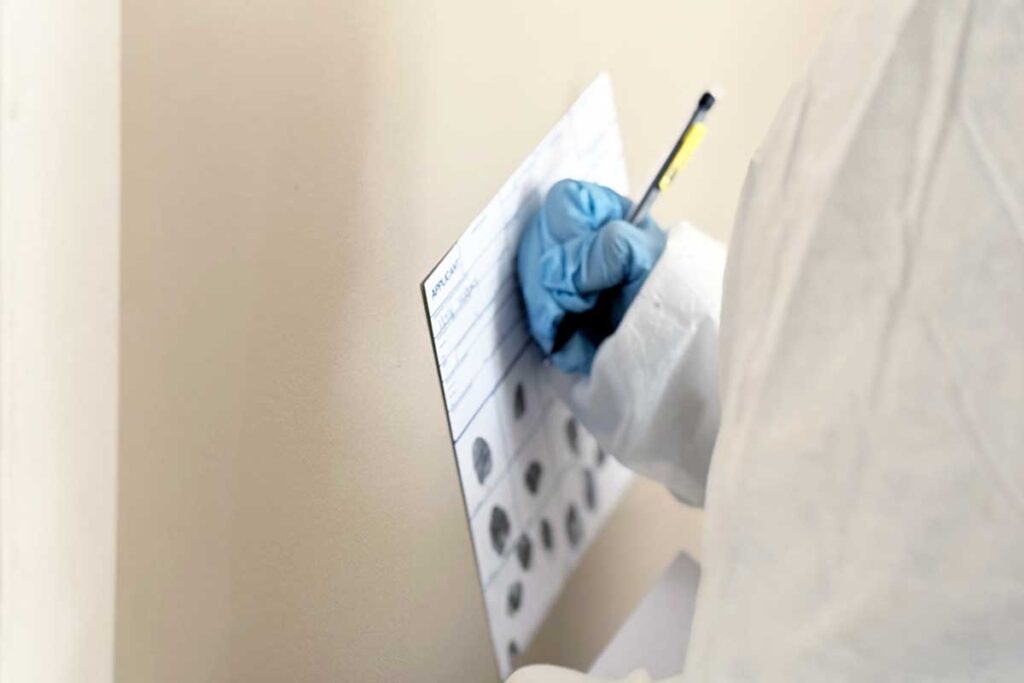
- Training in evidence collection and laboratory analysis
- Hands-on lab experience with forensic techniques
- Understanding of criminal justice processes and procedures
Applicants for admission are evaluated based on the following criteria to gain full admission.
- High school record of cumulative GPA of 3.0 on a 4.0 scale. An applicant for a degree program must have graduated or will have graduated with 16 high school units from an accredited high school. The college preparatory program is strongly recommended to high school students. Ordinarily this program includes four years of English and two years of social studies, science, and mathematics.
- College/university record of cumulative GPA of 2.5 on a 4.0 scale, if applicable.
Applicants who do not meet the following criteria and show potential for success may be reviewed for an alternate admissions pathway.
Students who have successfully completed the General Education Development Test (GED) and have not accumulated at least 12 collegiate level semester hours credit at a regionally accredited institution with a 2.5 GPA or better will follow the Alternate Admissions Pathway.
Applications open July 1 for the upcoming academic year. CSM follows a rolling admission process, reviewing applications as they are received. We encourage students to apply early for priority consideration for scholarships, housing, and financial aid.
The Mercy Core is CSM’s general education curriculum and the foundation of every degree. Rooted in the Critical Concerns of the Sisters of Mercy, it integrates ethics, reflection, and action to prepare women to lead with purpose and advance justice in their communities.
Tuition & Aid
Investing in your education is a big decision, and you do not have to navigate it alone. Every admitted full-time undergraduate student is guaranteed a merit scholarship, and CSM offers additional aid and personalized guidance to make your degree attainable. Our team will walk you through your options so you can move forward with clarity and confidence.
Marie Curie Scholars Program
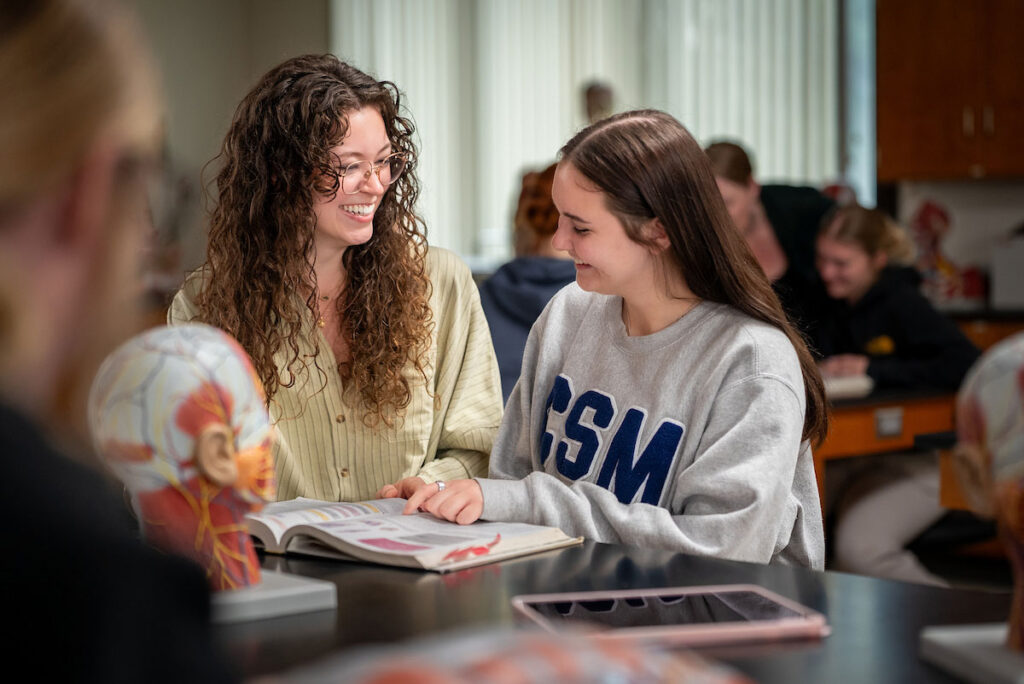
The Marie Curie Scholars Program supports high-achieving women in STEM fields like chemistry, biology, and math. Scholars may receive up to $20,000 annually, plus research opportunities, faculty mentorship, professional development, and a strong community designed to prepare them for graduate study and STEM careers.
Your Roadmap to Admission
From application to enrollment, we guide you through each step with clarity and personal support so you can focus on what matters most and take the next step toward your future.
Why Choose CSM?
Hands-On Laboratory Experience
Students gain practical skills using forensic tools and techniques in lab-based courses.
Interdisciplinary Science Foundation
Blends biology and chemistry to prepare students for real-world forensic applications.
Small Class Sizes & Faculty Support
Personalized instruction helps students build confidence and technical expertise.
Strong Career and Graduate School Preparation
Prepares students for entry-level roles or advanced study in forensic science and related fields.
A Hands-On, Immersive Learning Experience
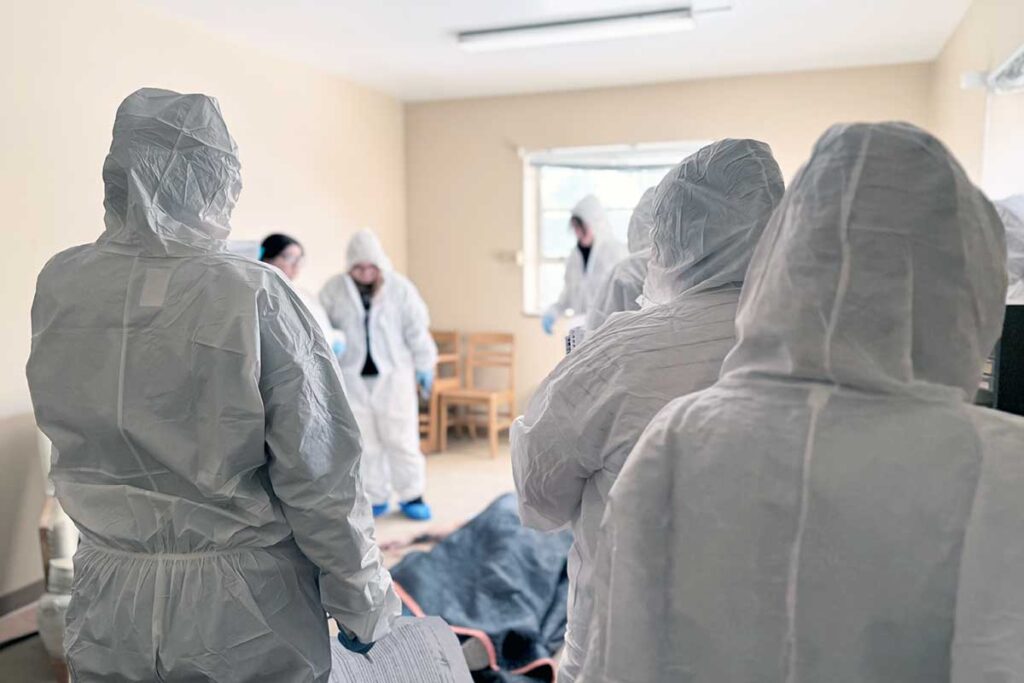
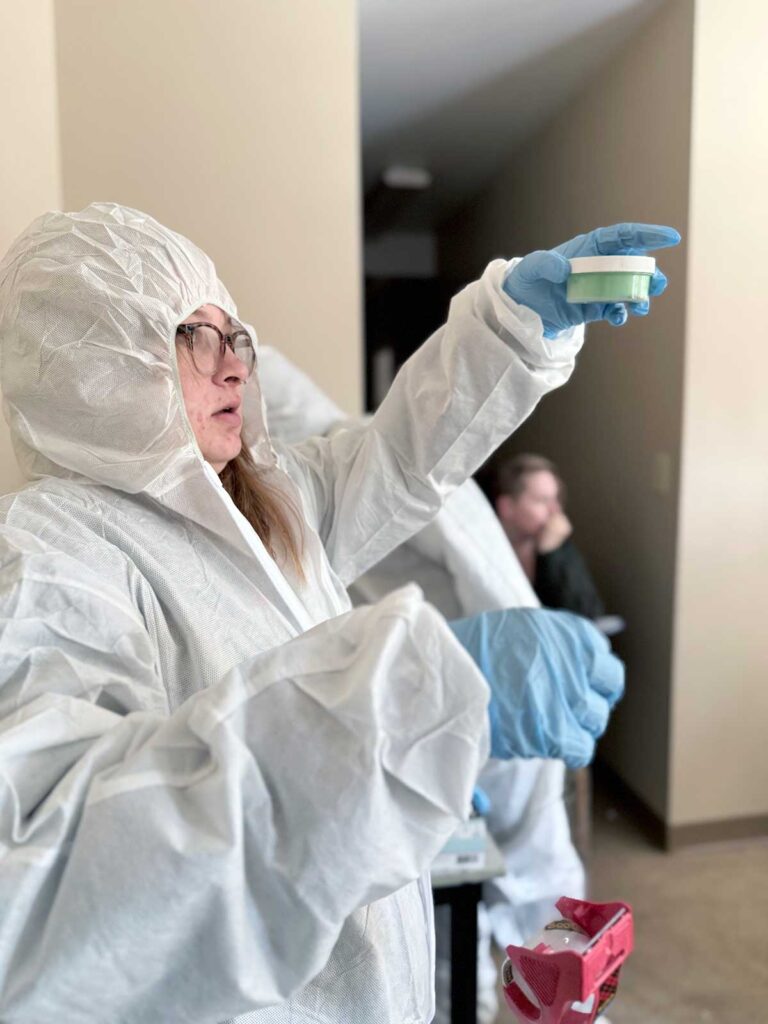
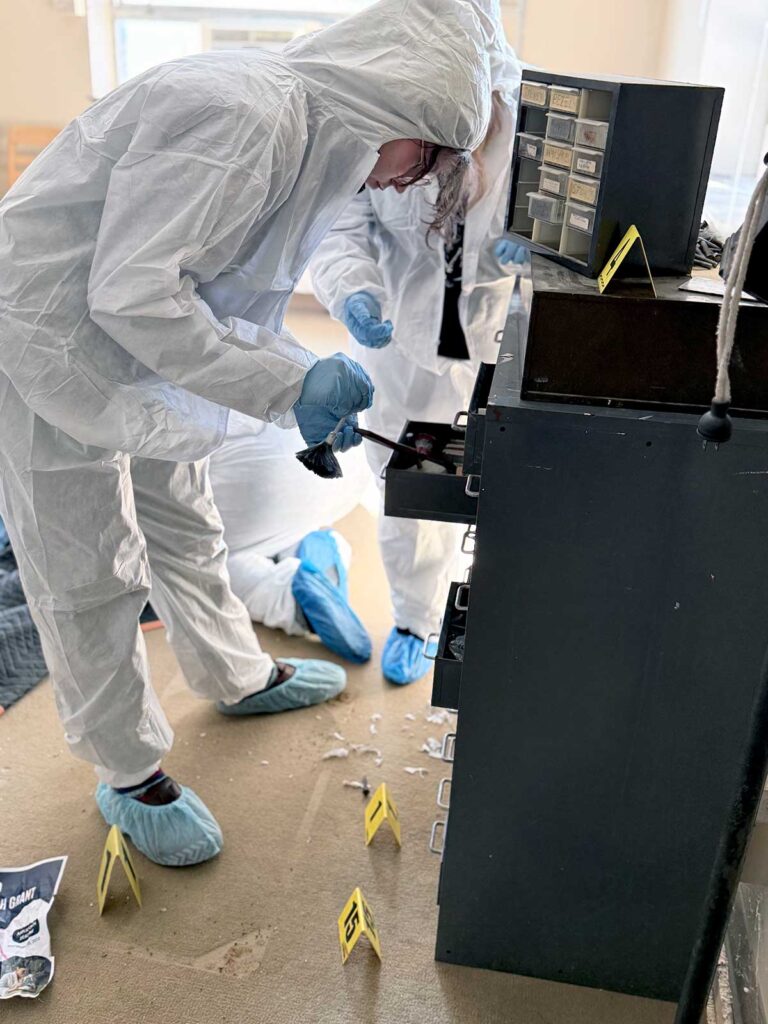
This isn’t a typical final exam. It’s a full forensic investigation. Students work alongside classmates to process a scene, analyze evidence, and apply everything they’ve learned in a real-world setting.
- Process and document a simulated crime scene
- Collect and preserve evidence using proper techniques
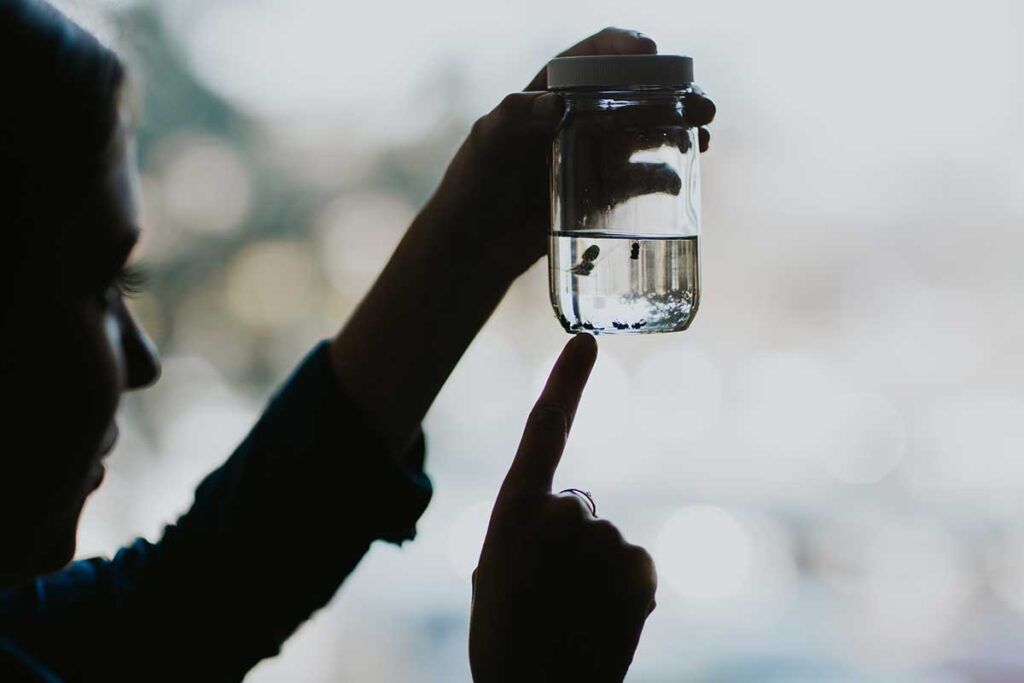
- Analyze findings in the lab and interpret results
- Collaborate as a team to build and support conclusions
It’s hands-on, fast-paced, and immersive, pushing students to think critically and work under pressure. More than anything, it’s a shared experience that builds confidence, sharpens skills, and strengthens the bonds formed throughout the program.

Forensic Science Career Opportunities
- Forensic Laboratory Technician
- Crime Scene Investigator
- Forensic Science Technician
- Law Enforcement or Evidence Specialist
- Graduate Study in Forensic Science or Criminal Justice
FOrensics By The Numbers
4+ Lab Courses
Hands-on Forensic
Training
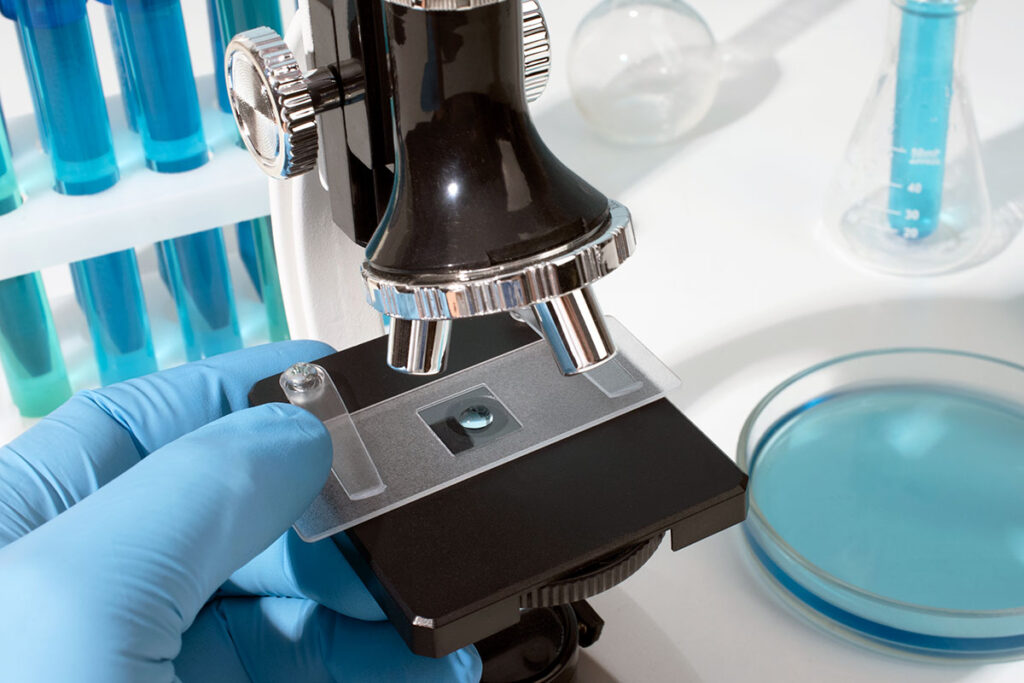
Build real skills in evidence analysis, DNA, and trace materials.
1 Capstone
Full Crime Scene
Experience
Process, analyze, and present evidence in a simulated case.
2 Core Sciences
Biology and Chemistry Foundation
Apply interdisciplinary science to real forensic investigations.
FOrensics Students In Action

Accreditation
The Assurance of Accreditation
The assurance of regional accreditation means that our degrees have been evaluated for their outcomes — including how well they prepare you to meet the needs of your employers, yourself and our global society. College of Saint Mary is accredited by The Higher Learning Commission.
Request More Information
Wherever you’re starting from, we’ll help you build a future with confidence.