Occupational Therapy Doctorate (OTD)
Earn your Occupational Therapy Doctorate in a mission-driven program with hands-on learning, faculty mentorship and strong clinical partnerships.
Dig Deeper Into the program
Graduate programs at College of Saint Mary are coed.
Degree Offered
- Doctorate
- Undergraduate Pre-OT Pathway
Start Terms
- Fall
Program Format
- On-campus in Omaha, NE
Credit Hours & Timeline
- Total credits required: 108
- Typical completion time: 8 consecutive semesters (2+ years)
The OTD curriculum is designed to build confident, practice-ready clinicians. You’ll move from foundational knowledge into advanced clinical reasoning, hands-on labs, and real-world application.
- Build a strong foundation in anatomy, neuroscience, and human movement
- Develop clinical reasoning skills through case-based learning and simulations
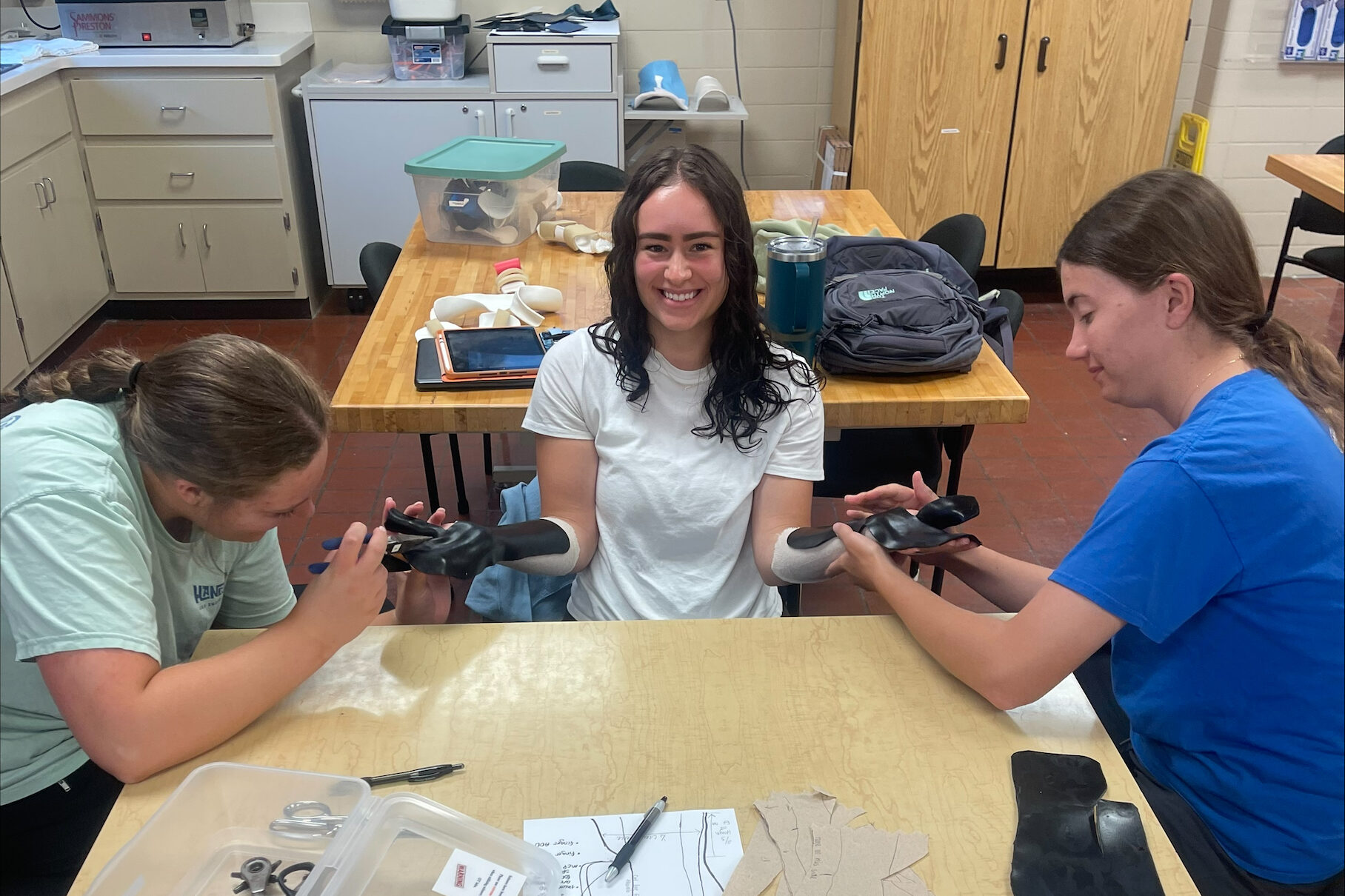
- Gain hands-on experience in lab settings that mirror real practice
- Explore physical, mental health, and community-based interventions
- Complete Level I and Level II fieldwork experiences in diverse settings
- Conduct research and apply evidence-based practice to patient care
- Design and complete a doctoral capstone in a specialized area of interest
The OT Program partners with CSM’s Enrollment Department to recruit and guide applicants. Applicants typically apply to the program through the Occupational Therapy Centralized Application System (OTCAS).
Applications are initially reviewed for the following criteria:
- A bachelor’s degree or at least three academic years of undergraduate education are required.
- A minimum 3.0 cumulative GPA (on 4.0 scale) is required.
- If the applicant graduated more than 5 years ago from college, the last 60 credit hours will determine the cumulative GPA.
- A minimum pre-requisite course GPA of 3.0 (on 4.0 scale) is required.
- A grade of C or better on all pre-requisite courses is required.
- Pre-requisite course requirements (18-19 credits)*:
- Anatomy and Physiology I & II with labs – 8 credits
- Statistics – 3 credits
- Lifespan or Developmental Psychology– 3 credits
- Abnormal psychology – 3 credits
- Medical Terminology – 1 or 2 credits
- Completion of the following recommended coursework provides a competitive advantage to an application:
- Sociology/Anthropology
- Ethics
- Kinesiology
- Pathophysiology
- Public Speaking or Oral Communications
- Global or Cultural Diversity Course
- Pre-health professions course
- Three (3) letters of recommendation are required.
- An application is more competitive if one letter is from an undergraduate professor and if one letter is from an occupational therapist.
- If an applicant is a CSM student or CSM graduate, only two (2) letters of recommendation are required.
- Each applicant should submit a resume or curriculum vitae (CV) for consideration. Resumes or CVs should emphasize the applicant’s extra-curricular activities, work and/or volunteer history, and leadership experiences.
- The resume or CV should document the number of service/volunteer hours accumulated within the previous five years.
- Although no set number of service hours is required, 100 hours or more increases the competitiveness of the applications.
- Applications are more competitive if the applicant documents service hours across the lifespan (infants, children, adults, and older adults).
*No more than nine (9) pre-requisite credit hours may remain at time of application. The applicant must complete all pre-requisite courses before the start of OTD classes. The applicant must have taken all pre-requisite courses within five (5) years prior to application.
Upon verification of the above requirements in the OTCAS application, prospective students will be invited to complete the interview phase of the admissions process.
Fall 2027 Start
- Application open: July 16, 2026
- Application closes: June 7, 2027
- Classes start: August 2027
Qualified applicants will be notified via email regarding their admission status. Applications are reviewed on a rolling basis as they are received. Once the cohort is filled, additional applications may not be considered, so early submission is strongly encouraged.
The entry-level occupational therapy doctoral degree program is accredited by the Accreditation Council for Occupational Therapy Education (ACOTE) of the American Occupational Therapy Association (AOTA), located at 7501 Wisconsin Avenue, Suite 510E, Bethesda, MD 20814. ACOTE’s telephone number c/o AOTA is (301) 652-6611 and its web address is www.acoteonline.org. Graduates of the program will be eligible to sit for the national certification examination for the occupational therapist administered by the National Board for Certification in Occupational Therapy (NBCOT). After successful completion of this exam, the individual will be an Occupational Therapist, Registered (OTR). In addition, all states require licensure to practice; however, state licenses are usually based on the results of the NBCOT Certification Examination. Note that a felony conviction may affect a graduate’s ability to sit for the NBCOT certification examination or attain state licensure.
Students must complete 24 weeks of Level II fieldwork as well as an individual 14-week capstone experience within 24 months following the completion of the didactic portion of the program. The doctoral capstone experience must be started after completion of all coursework and Level II fieldwork as well as completion of preparatory activities defined in 2023 ACOTE OTD Standard D.1.3.
Every state requires a license to practice as an occupational therapist. Minimum requirements include proof of graduating from an ACOTE-accredited program including proof of completion of fieldwork experiences, proof of passing the NBCOT certification examination, completion of state licensure application with associated fees, and a criminal background check. Some states have additional requirements. The American Occupational Therapy Association has provided a list of all state OT Regulatory Authority Contact Information and has additional information about licensure on the OT Student Guide to Licensure page.
The Occupational Therapy Accelerated Entry Pathway (OT-AEP) allows academically qualified students to complete their undergraduate studies at College of Saint Mary while maintaining a distinctive connection to the Occupational Therapy Doctorate (OTD) program. This pathway helps students prepare early for graduate-level occupational therapy education while pursuing any bachelor’s degree at CSM.
How the pathway works:
- Students pursue any undergraduate major while completing coursework that prepares them for the OTD program. Most students enroll in the Psychology (Pre-OTD), Rehabilitation Sciences or Kinesiology & Exercise Science programs.
- Participants meet annual progression benchmarks designed to ensure readiness for graduate-level study.
- Each student is supported by two advisors—their academic advisor and an occupational therapy faculty advisor.
- Students may be eligible to apply to the OTD program after completing at least 72 college credit hours, though many choose to finish their bachelor’s degree first.
While the OT-AEP does not guarantee admission to or completion of the OTD program, students benefit from early mentorship, structured advising, and clear preparation for success in CSM’s doctoral occupational therapy program.
Tuition & Fees
A graduate degree is one of the best investments you’ll make in your future. We’re upfront about tuition and total program cost, and our team will walk you through expenses, payment timelines, and financing options so you can move forward with confidence.
Every admitted OTD student receives an institutional scholarship, up to $20,000.
Your Roadmap to Admission
From application to enrollment, we guide you through each step with clarity and personal support so you can focus on what matters most and take the next step toward your future.
Why STUDENTS Choose CSM
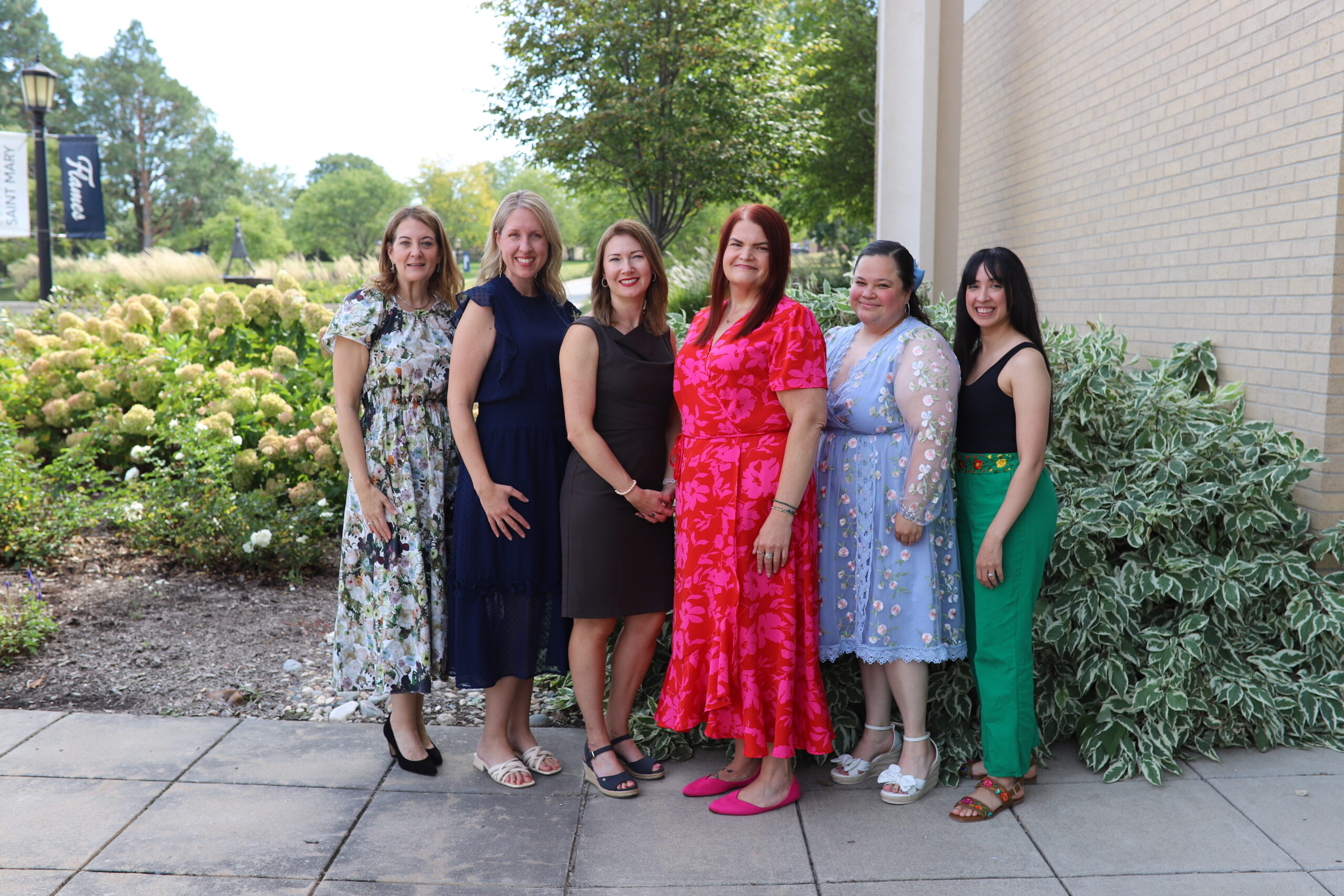
Faculty Who Practice What They Teach
Learn from experienced occupational therapists who bring active clinical insight, research expertise, and real-world problem-solving into every course.
Cohort Model That Builds Community
Move through the program with a close-knit class that challenges you, supports you, and becomes part of your professional network.
Immersive Clinical Preparation
Extensive fieldwork and hands-on application sharpen your clinical reasoning and prepare you for confident entry-level practice.
Purpose-Driven Healthcare Leadership
Grounded in a Mercy tradition of dignity and service, you develop the ethical clarity and advocacy mindset today’s healthcare systems demand.
OTD By The Numbers
$20k
Institutional scholarships available
Every admitted OTD student receives an institutional scholarship of up to $20,000.
500+
Clinical site partnerships nationwide
Our extensive network allows for personalized placement for all students.
92%
NBCOT Board Exam Pass Rate since 2022
Our OTD graduates are prepared, confident, and ready to make an impact from day one.

OT Career Outlook
The career outlook for occupational therapists is strong and growing, with employment projected to increase 11% from 2023 to 2033, according to the U.S. Bureau of Labor Statistics. OTs also earn a strong median salary of around $96,000 per year, making it a rewarding career that combines meaningful impact with long-term financial stability.

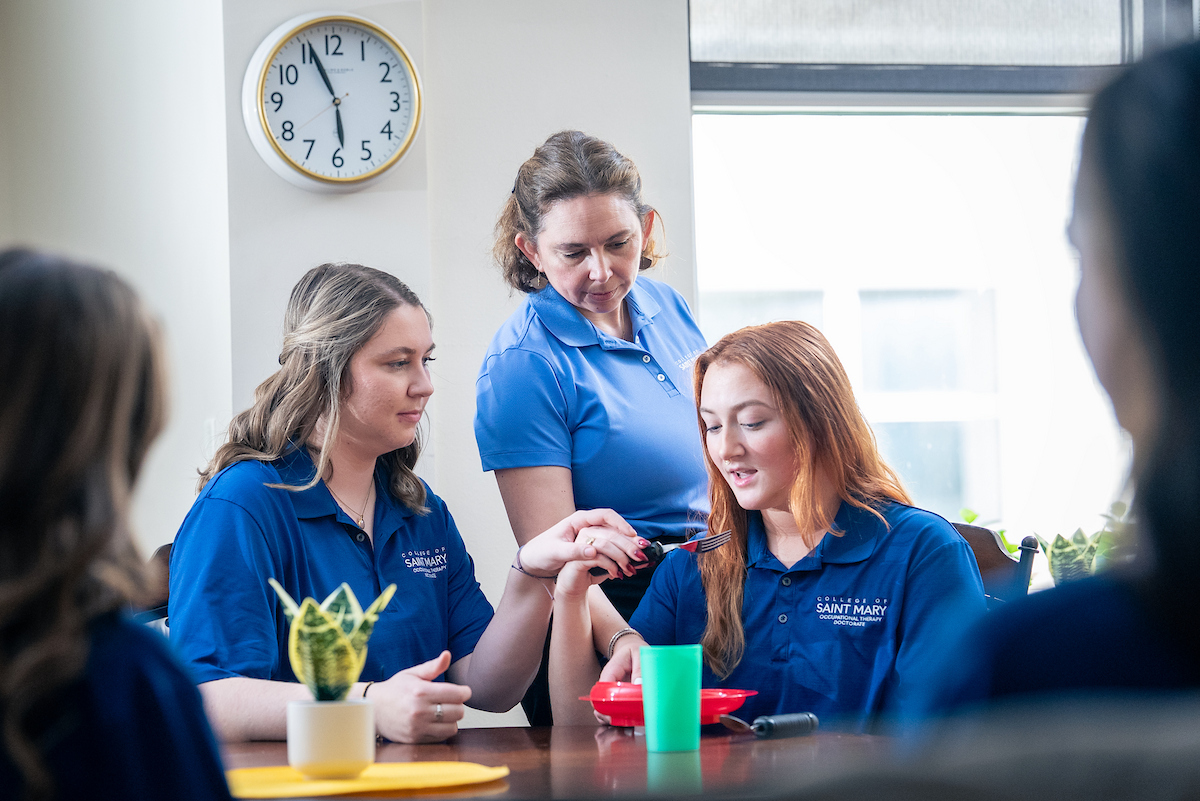
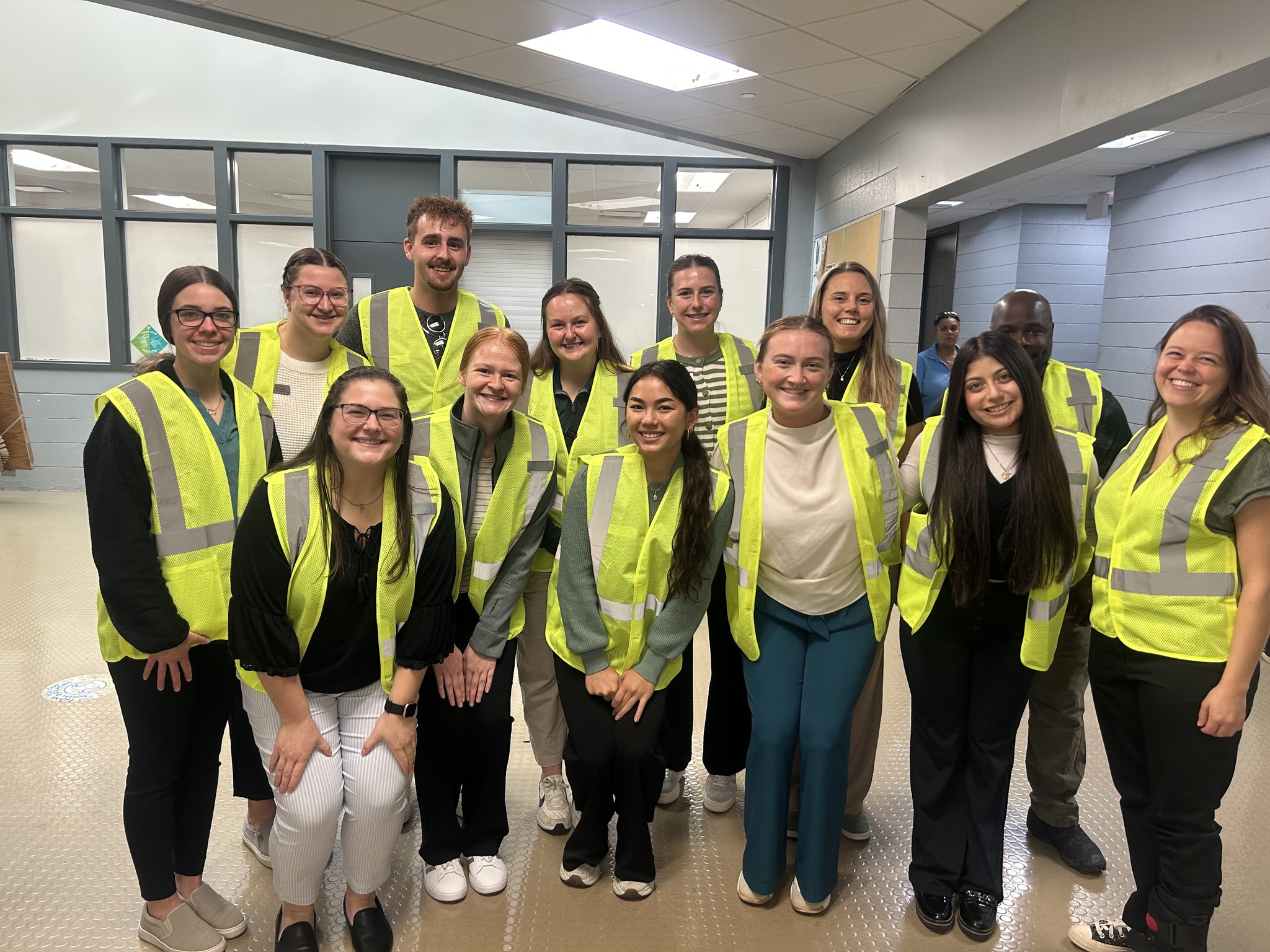
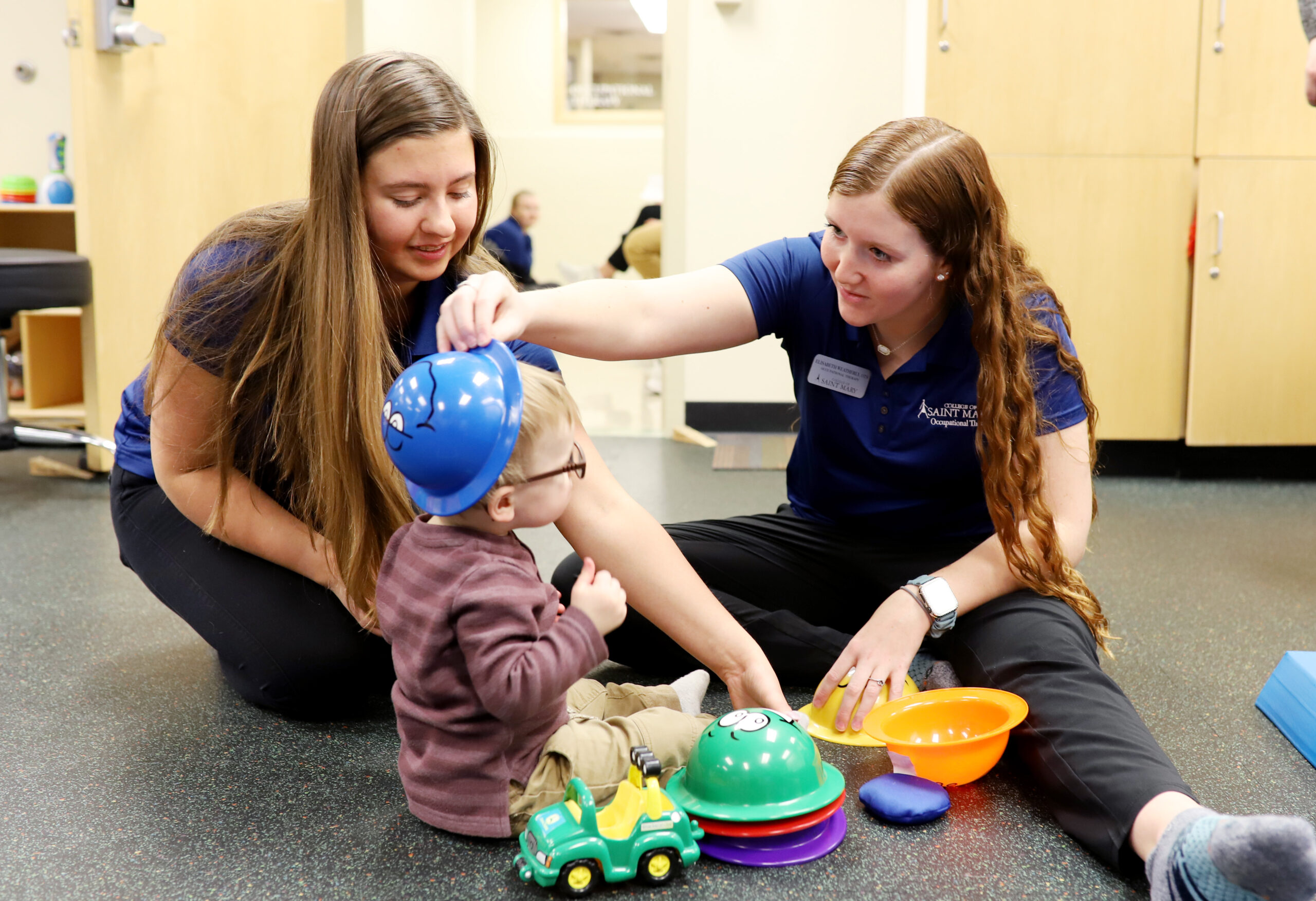
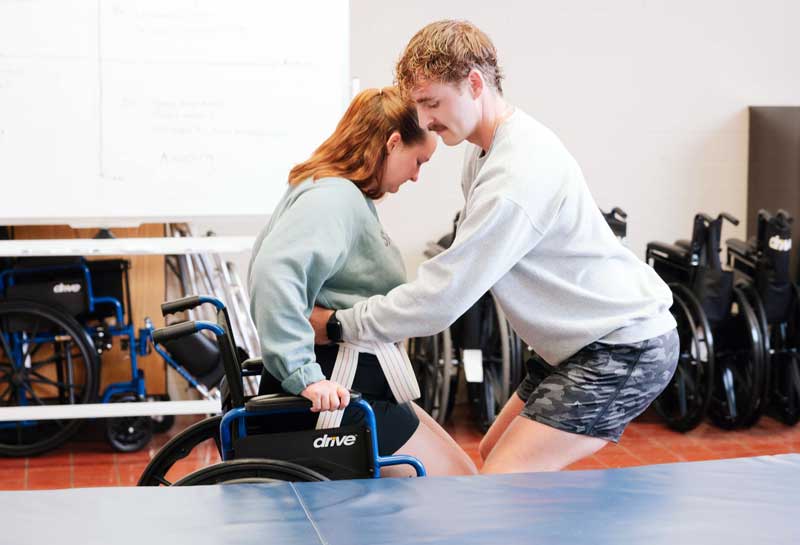
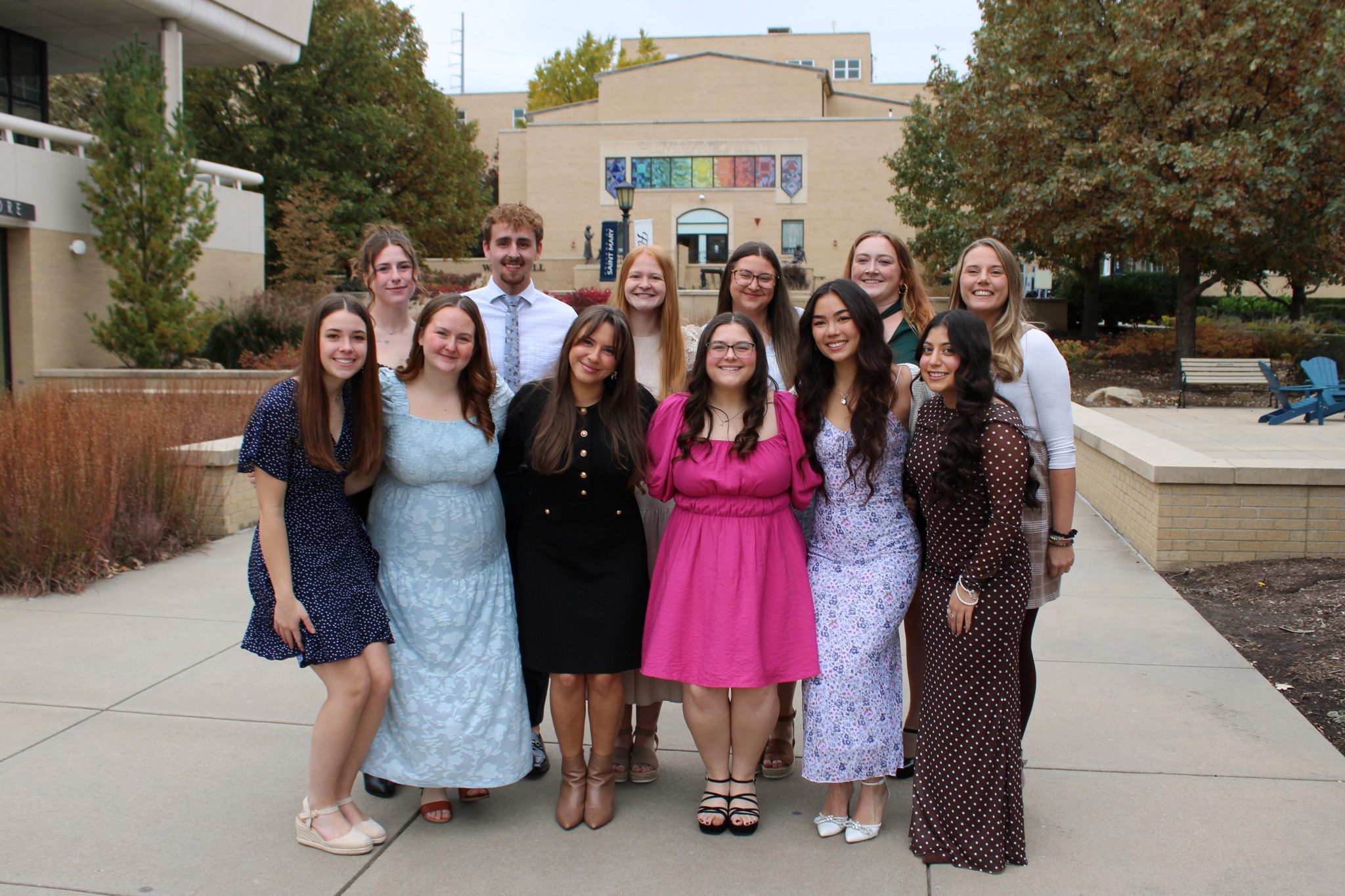
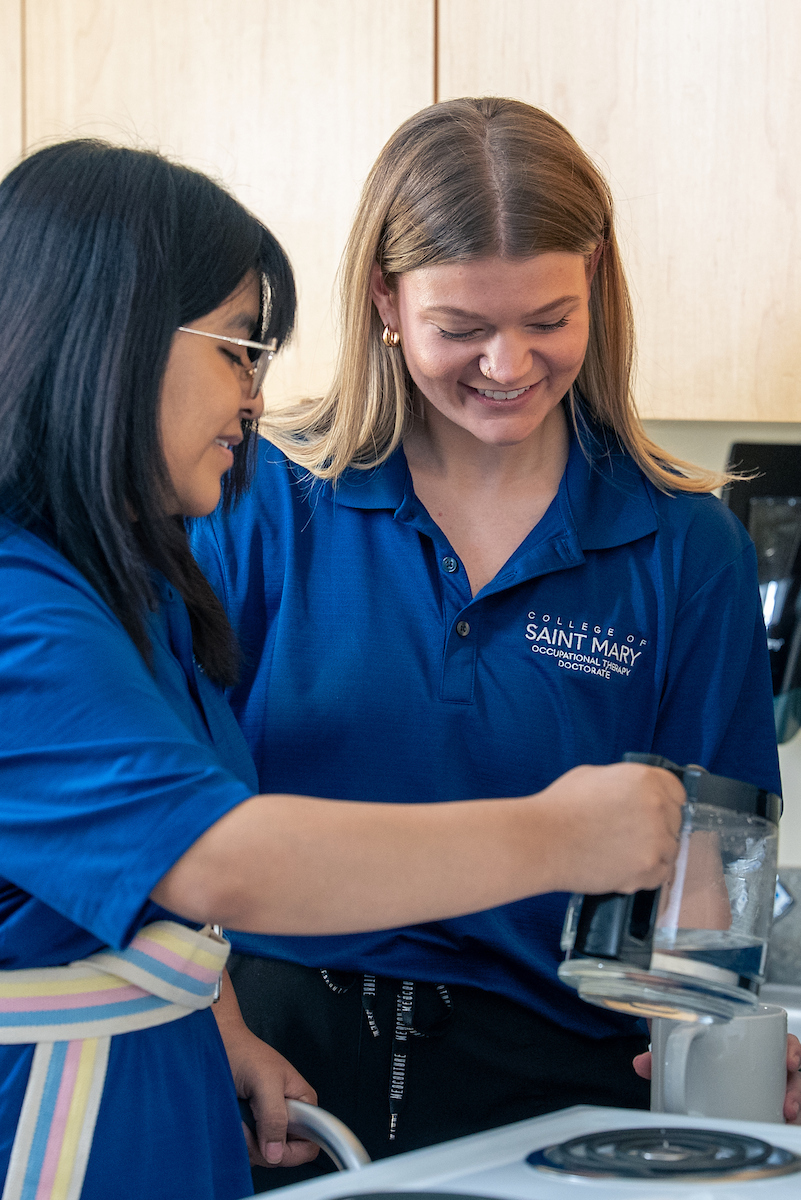
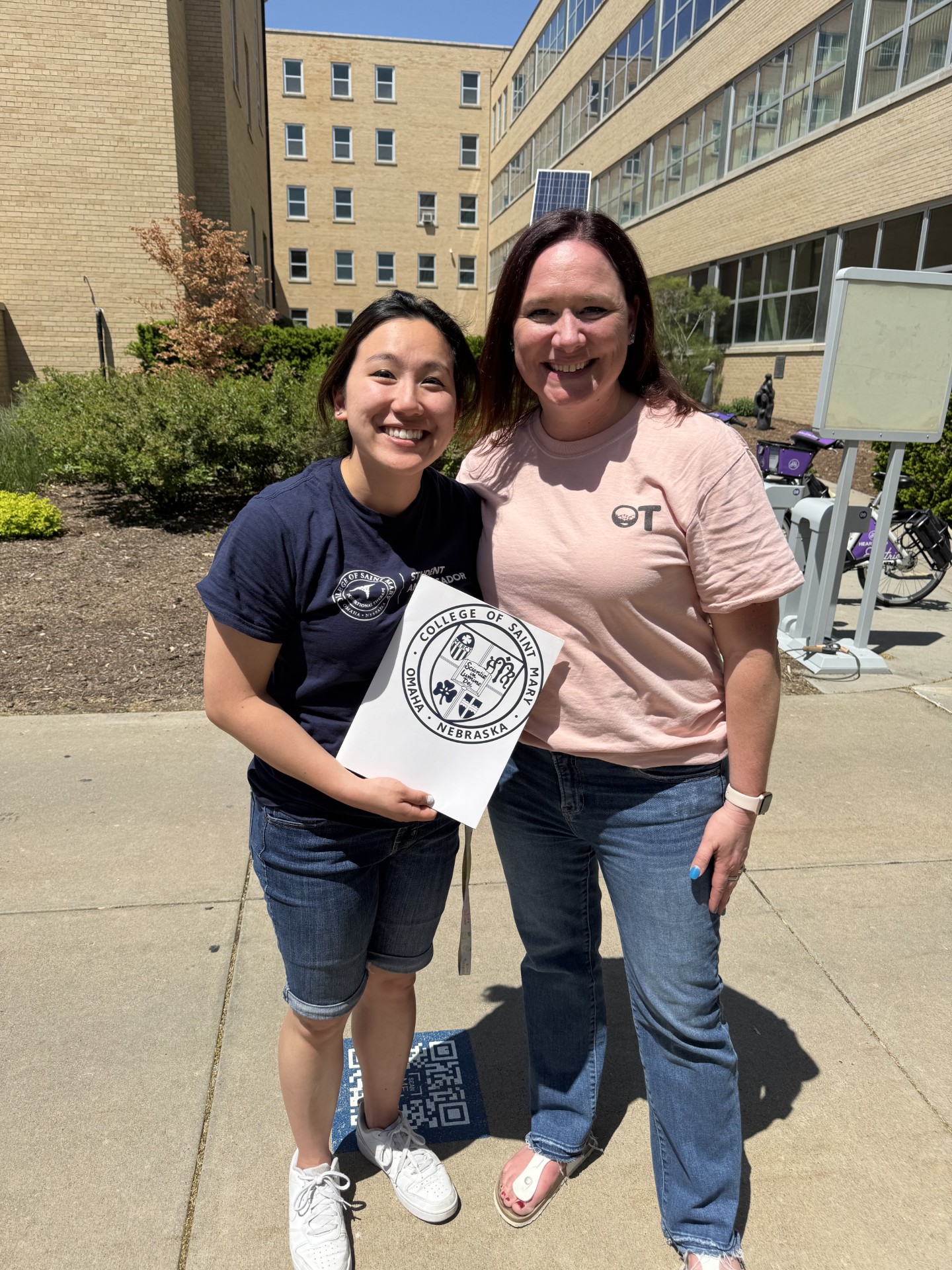
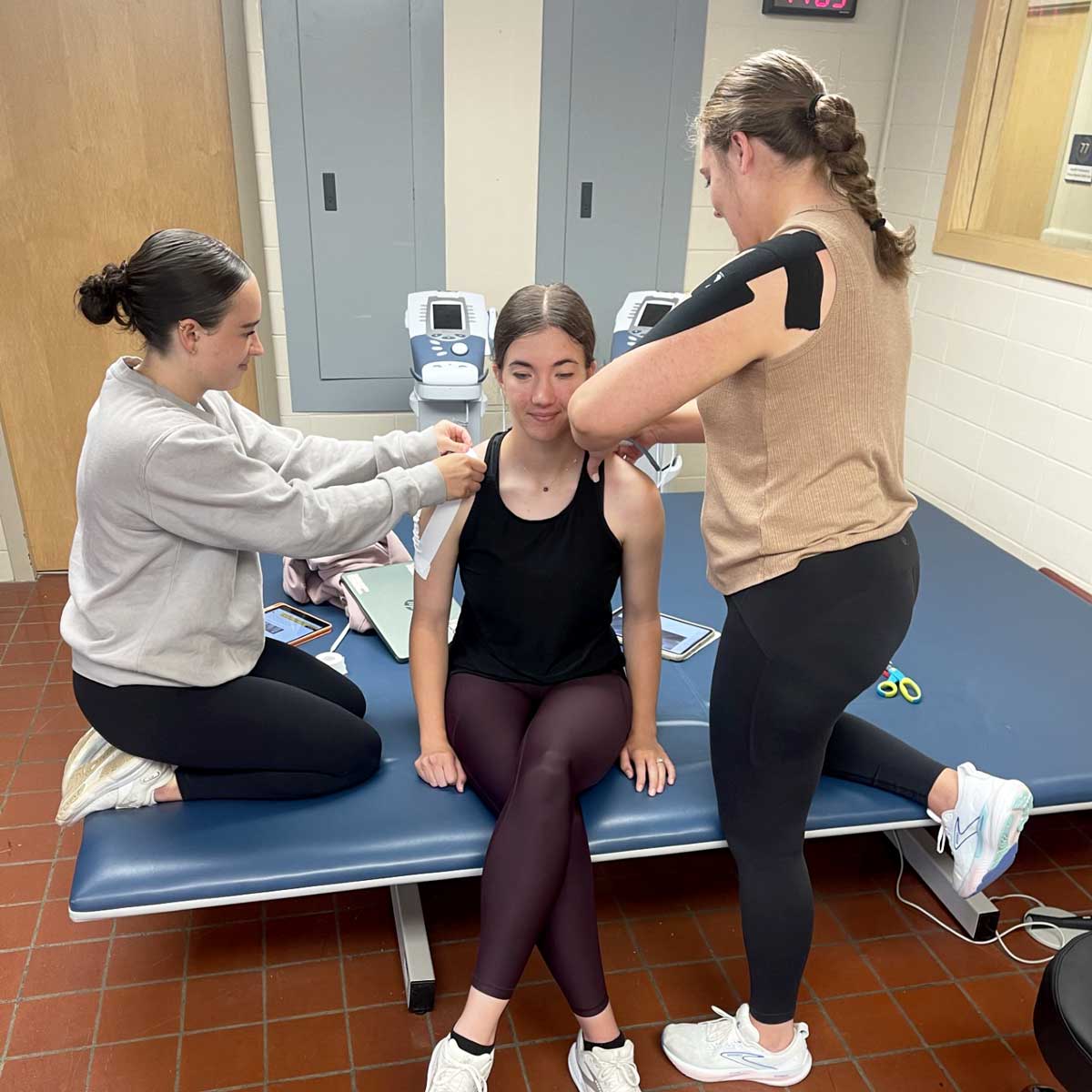
OTD Students In Action

Follow CSM OTD on Social Media
Accreditation
The Assurance of Accreditation
The assurance of regional accreditation means that our degrees have been evaluated for their outcomes — including how well they prepare you to meet the needs of your employers, yourself and our global society. College of Saint Mary is accredited by The Higher Learning Commission.
Accreditation Council for Occupational Therapy Education (ACOTE)
The entry-level occupational therapy doctoral degree program is accredited by the Accreditation Council for Occupational Therapy Education (ACOTE) of the American Occupational Therapy Association (AOTA), located at7501 Wisconsin Avenue, Suite 510E, Bethesda, MD, 20814. ACOTE’s telephone number c/o AOTA is (301) 652-AOTA and its web address is www.acoteonline.org. Graduates of the program will be eligible to sit for the national certification examination for the occupational therapist administered by the National Board for Certification in Occupational Therapy (NBCOT). After successful completion of this exam, the individual will be an Occupational Therapist, Registered (OTR). In addition, all states require licensure to practice; however, state licenses are usually based on the results of the NBCOT Certification Examination. Note that a felony conviction may affect a graduate’s ability to sit for the NBCOT certification examination or attain state licensure.
Request More Information
Wherever you’re starting from, we’ll help you build a future with confidence.
"*" indicates required fields